Category: Uncategorized

  • When Online Gambling Is Legal and When It Is Not in Different Places

    When Online Gambling Is Legal and When It Is Not in Different Places

    If you sit quietly and think about the internet, it feels like a world without borders. You can watch videos from another country, talk to people far away, and even play games with strangers across the globe.

    But when it comes to online gambling, things are very different.

    Even though the internet connects everything, laws still belong to each country. What is perfectly legal in one place may be completely banned in another. This creates confusion for many players.

    To understand this properly, we need to look at how different governments approach online gambling and why their decisions vary so much.


    Why Online Gambling Is Legal in Some Countries

    In many parts of the world, online gambling is allowed but strictly controlled.

    Countries like United Kingdom have built strong regulatory systems. Licensed operators must follow strict rules to ensure fair play and player safety.

    Key Reasons Governments Allow It

    1. Massive Revenue Generation

    Online gambling is a huge global industry.

    • The global online gambling market is estimated to be worth over 90 billion dollars
    • Governments collect billions in taxes every year from licensed operators

    For example:

    • The UK gambling industry generates billions in annual tax revenue
    • European countries rely heavily on regulated betting markets

    This money supports:

    • public infrastructure
    • healthcare systems
    • education programs

    A policy expert once said:

    โ€œLegal gambling is not just entertainment, it is a structured economic activity.โ€


    2. Better Control Instead of Black Markets

    When gambling is banned, it often moves underground.

    Players may still access unregulated websites, which can be unsafe. These sites may:

    • manipulate results
    • delay payments
    • lack player protection

    Governments that legalize gambling prefer to control the system rather than fight it.

    Licensed platforms must:

    • verify player identity
    • follow fairness audits
    • offer responsible gambling tools

    3. Consumer Protection

    Legal markets allow governments to introduce safety features such as:

    • deposit limits
    • time limits
    • self exclusion programs

    These tools are designed to reduce gambling harm while still allowing people to play.


    Why Some Countries Ban Online Gambling Completely

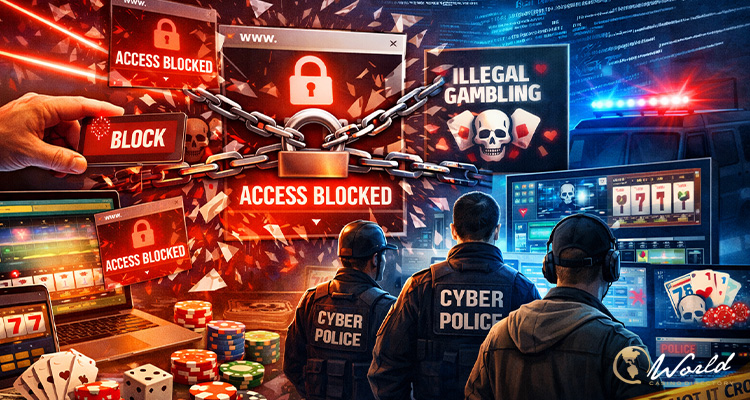
    On the other side, many countries choose to ban or heavily restrict online gambling.

    For example, United Arab Emirates has strict laws against gambling due to cultural and religious values.
    Main Reasons Behind Bans

    1. Risk of Gambling Addiction

    Studies show that around 1 to 3 percent of adults globally struggle with serious gambling problems.

    Online gambling increases this risk because:

    • it is available 24 hours a day
    • there is no physical limit like a casino visit
    • players can gamble in isolation

    A former online gambler shared:

    โ€œWhen it is on your phone, it never really stops. You can keep playing without even realizing how much you have lost.โ€


    2. Social and Family Impact

    Governments worry about the hidden effects of online gambling.

    Common issues include:

    • financial debt
    • family stress
    • mental health problems

    In societies where family stability is highly valued, these risks are taken very seriously.


    3. Cultural and Religious Beliefs

    In many countries, gambling is not just a legal issue but a moral one.

    For example:

    • Islamic law prohibits gambling
    • some Asian cultures discourage speculative activities

    These values strongly influence national policies.


    4. Concerns About Fraud and Money Laundering

    Online platforms can be used for illegal financial activities if not properly monitored.

    Governments worry about:

    • identity fraud
    • money laundering
    • cross border illegal transactions

    Instead of managing these risks, some countries choose to block gambling websites entirely.


    The Middle Ground: Partial or Mixed Laws

    Not every country follows a simple yes or no rule.

    Many countries take a hybrid approach.

    For example, India has a complex system where:

    • some states allow online skill based games
    • others restrict or ban betting activities
    • laws vary depending on interpretation

    Image: Different Legal Zones

    Examples of Mixed Systems

    • Sports betting may be legal while casino games are not
    • Only government approved platforms may operate
    • Some regions allow gambling while others restrict it

    In the United States:

    • states like New Jersey allow online casinos
    • other states still restrict them

    This creates a patchwork of laws even within one country.


    What Real Players Say About Different Laws

    Online discussions reveal how confusing this global situation can be.

    One player wrote:

    โ€œI can play legally when I travel, but in my home country the same site is blocked.โ€

    Another shared:

    โ€œLegal sites feel safer. I know I will get paid if I win.โ€

    These experiences highlight the difference between regulated and unregulated environments.


    Key Statistics That Explain the Reality

    • Over 85 countries have some form of legal online gambling
    • Around 70 plus countries still restrict or ban it
    • Mobile gambling accounts for more than 50 percent of online betting activity

    These numbers show how rapidly the industry is growing while laws try to keep up.


    The Real Issue: Freedom vs Protection

    At the center of this debate is a simple but powerful question:

    Should people have the freedom to gamble online, or should governments protect them from its risks?

    Different countries answer this question in different ways:

    • Some prioritize economic growth and personal freedom
    • Others prioritize social safety and cultural values

    There is no single solution that works everywhere.


    Final Thought: A World Divided by Digital Rules

    Online gambling may exist on the internet, but it is still shaped by real world laws.

    Some countries open the door with rules and safeguards.
    Some keep it firmly closed.
    Others open it only slightly and watch carefully.

    The result is a world where the same activity can be:

    • legal in one place
    • restricted in another
    • completely banned somewhere else

    So when you think about online gambling, remember that it is not just about games on a screen.

    It is about law, culture, money, and human behavior all coming together in a fast changing digital world.


  • Why Some Gambling Sites Operate in Legal Grey Areas

    Why Some Gambling Sites Operate in Legal Grey Areas

    If you sit with someone older in your family and talk about gambling, they may say something very simple.

    โ€œPeople always find a way.โ€

    That one sentence explains a big part of how modern online gambling works.

    Today, gambling is no longer limited to physical casinos. It exists on smartphones, laptops, and apps that can be accessed from almost anywhere. But with this global reach comes a complicated problem.

    Not every gambling website operates under clear legal rules.

    Some exist in what experts call legal grey areas. These are spaces where a site is not fully illegal, but also not clearly legal in every place it operates.

    To understand why this happens, we need to look at law, technology, business, and human behavior together.


    Laws Are Different Across Countries

    The biggest reason for legal grey areas is simple.

    Every country has its own gambling laws.

    For example:

    • Some countries fully allow online gambling
    • Some restrict it heavily
    • Others ban it completely

    Now compare that with the internet.

    The internet has no borders.

    A gambling website registered in one country can be accessed by users from many other countries. This creates a conflict between local laws and global access.

    Example

    A gambling company might be licensed in Malta or Curacao, both known for offering online gaming licenses.

    These licenses are legal in those regions. The company pays fees and follows local regulations.

    However, a player from a country where online gambling is restricted might still access that same platform.

    So what happens?

    • The company is legal where it is registered
    • The player may be in a region where it is restricted

    This mismatch creates a legal grey area.


    Online gambling platforms operate across borders, making regulation much more complex than traditional casinos.


    Technology Moves Faster Than Law

    Another major reason for grey areas is the speed of technology.

    Laws take years to create and update. Technology evolves much faster.

    When online gambling first started in the late 1990s, many governments had no clear rules for it. Even today, regulators struggle to keep up with new developments.

    New Trends Creating Grey Zones

    • Live dealer casinos
    • Mobile betting apps
    • Cryptocurrency gambling using Bitcoin
    • Blockchain based betting platforms

    These innovations often appear before governments can properly regulate them.

    A legal analyst once said:

    โ€œBy the time a law is written, the technology it targets has already evolved.โ€

    Because of this, companies sometimes operate in spaces where laws are unclear or outdated.


    The Role of Offshore Licensing

    Many gambling companies choose to operate from offshore jurisdictions.

    These are regions where regulations are more flexible and taxes are lower.

    Common offshore hubs include:

    • Malta
    • Curacao
    • Gibraltar

    These locations actively encourage online gambling businesses because it brings revenue.

    Why Companies Choose Offshore Locations

    ReasonExplanation
    Lower taxesMore profit for operators
    Flexible rulesEasier setup and operation
    Global reachAbility to serve international users

    From a business perspective, this makes sense.

    From a regulatory perspective, it creates complications.


    Image: Offshore Licensing Concept

    Companies often operate internationally while being legally based in a single jurisdiction.


    Player Demand Drives the Market

    Another important factor is simple.

    People want to play.

    The global online gambling market is massive. Industry estimates suggest it is worth over 90 billion dollars globally, and still growing every year.

    Where there is demand, businesses will always try to supply it.

    Even in countries with strict rules, players often look for:

    • easy access
    • fast registration
    • fewer restrictions

    If legal platforms are limited, users may turn to grey area sites.

    What Real Players Say

    Here are some real style comments commonly seen in online discussions:

    โ€œI never checked where the site was licensed. I just wanted something that worked.โ€

    โ€œIf the payouts are fast, most people donโ€™t worry about legal details.โ€

    These statements show a key truth.

    Many users prioritize convenience over legality.


    Regulatory Gaps and Enforcement Challenges

    Even when laws exist, enforcing them is difficult.

    Governments face several challenges:

    • Blocking websites is not always effective
    • New domains can appear quickly
    • Payment systems can bypass restrictions
    • VPN usage allows users to access restricted platforms

    For example, some countries try to block gambling websites, but new mirror sites appear within days.

    This creates a constant cat and mouse situation between regulators and operators.


    Technology tools like VPNs allow users to access platforms beyond their countryโ€™s restrictions.


    The Thin Line Between Legal and Illegal

    The term โ€œlegal grey areaโ€ does not mean a site is safe or unsafe by default.

    It simply means the legal status is unclear depending on:

    • where the company is registered
    • where the player is located
    • how the platform operates

    Some sites follow strict licensing rules. Others stretch the boundaries.

    A compliance expert once explained:

    โ€œGrey area does not always mean illegal. It often means the law hasnโ€™t fully caught up yet.โ€


    The Future of Gambling Regulation

    Governments are slowly adapting.

    Many countries are now:

    • introducing stricter licensing systems
    • regulating online platforms more clearly
    • working with payment providers to control access

    But the challenge remains.

    Technology keeps evolving, and businesses continue to adapt quickly.


    Final Thought

    When you look at the full picture, legal grey areas in gambling are not created by one single reason.

    They exist because of:

    • different laws across countries
    • rapid technological growth
    • strong player demand
    • business strategies to reach global markets

    All these forces come together to create spaces where rules are not fully clear.

    It is not always about breaking the law.

    Sometimes it is about operating in the gap between what exists and what is still being defined.

    And just like that older voice might remind you again:

    โ€œWhenever something new grows fast, the rules take time to catch up.โ€

    In online gambling, that process is still unfolding.

  • What Happens When the Government Runs Casinos Instead of Private Companies

    What Happens When the Government Runs Casinos Instead of Private Companies

    When most people think about casinos, they imagine private companies. Bright lights, luxury hotels, and businesses focused on profit.

    But in several parts of the world, casinos are not run by private operators.

    They are run by governments.

    This model exists in countries like Finland and regions such as Macau, where the state plays a direct role in controlling gambling activities.

    At first, this idea may feel unusual.

    Why would a government operate casinos instead of simply regulating them?

    The answer lies in a mix of economics, public welfare, control, and trust. When governments run casinos, the entire system changes in ways that are both beneficial and complex.


    When Profit Meets Public Responsibility

    A private casino exists to maximize profit. The longer players stay and the more they spend, the more revenue the business generates.

    A government-run casino works differently.

    Yes, it still earns money. But instead of profits going to private owners, they are directed into public systems like:

    • healthcare
    • education
    • infrastructure

    For example, in Finland, the state-owned gambling operator channels hundreds of millions of euros every year into social programs, sports, and cultural activities.

    This creates a different purpose for gambling revenue.

    Instead of private wealth creation, it becomes a public funding tool.

    However, this creates a unique tension.

    Governments must balance two roles:

    • earning revenue from gambling
    • protecting citizens from its harms

    A regulator once described this challenge simply:

    โ€œWe are both the operator and the watchdog. That balance is not easy.โ€


    A More Controlled and Regulated Experience

    When governments run casinos, the environment tends to be more controlled compared to private establishments.

    Private casinos often focus heavily on stimulation:

    • flashing lights
    • fast-paced gameplay
    • aggressive promotions

    Government-run casinos are usually more restrained.

    Here are some differences commonly seen:

    FeaturePrivate CasinosGovernment Casinos
    MarketingHighly aggressiveLimited or regulated
    Player limitsFlexibleOften restricted
    MonitoringStandardStrong behavioral checks
    TransparencyBusiness-focusedPublic accountability

    Many government systems introduce measures such as:

    • spending limits
    • identity verification
    • self-exclusion programs
    • time restrictions on play

    In some European countries, players must set monthly loss limits before gambling online.

    These features are designed to reduce addiction and financial harm.


    Real Numbers: How Big Is Government Gambling?

    Government involvement in gambling is not small.

    Here are some key insights:

    • In Norway, gambling is largely controlled by the state to reduce addiction risks
    • In Finland, the government monopoly system contributes over 1 billion euros annually to public welfare programs
    • Some regions rely on gambling taxes for a significant portion of public funding

    These numbers show why governments are interested in running casinos directly.

    The revenue is simply too large to ignore.


    What Real Players Say

    Player experiences in government-run systems are mixed.

    Some people feel safer.

    One casino visitor shared:

    โ€œI feel more comfortable knowing the system is regulated and not just trying to squeeze money out of me.โ€

    Others feel restricted:

    โ€œIt feels too controlled. Less choice, fewer promotions, and not as exciting as private casinos.โ€

    This reflects the core trade-off.

    Safety often comes at the cost of freedom and excitement.


    The Ethical Dilemma Governments Face

    One of the biggest debates around government-run casinos is ethical.

    The same authority that warns people about gambling risks is also running the system.

    This creates an uncomfortable question:

    Can a government truly discourage gambling while profiting from it?

    A policy expert once said:

    โ€œIt is like taxing cigarettes while selling them. The intention may be control, but the conflict remains.โ€

    There is also the issue of dependency.

    If governments start relying heavily on gambling revenue, they may face difficult choices:

    • reducing gambling could protect citizens
    • but it could also reduce public income

    This creates a long-term policy challenge.


    This balance is at the heart of every government-run casino system.


    Limited Competition and Player Choice

    Another major difference is competition.

    In many government-controlled systems:

    • private operators are restricted or banned
    • fewer casino brands are available
    • game variety may be limited

    For example, Finland operates under a state monopoly model, where one operator controls most gambling activity.

    This reduces competition but increases control.

    From a playerโ€™s perspective:

    • fewer choices
    • more regulation
    • less aggressive offers

    From a government perspective:

    • easier monitoring
    • reduced illegal gambling
    • stronger oversight

    The Long-Term Impact on Society

    The impact of government-run casinos goes beyond gambling floors.

    Positive Effects

    • steady funding for public services
    • reduced illegal gambling markets
    • stronger consumer protection

    Negative Concerns

    • moral conflict in state involvement
    • dependency on gambling income
    • reduced market innovation

    Some researchers argue that government control reduces extreme gambling behavior, while others believe it simply changes how people gamble rather than reducing overall participation.


    Final Thought: A System Built on Balance

    When governments run casinos, they are trying to do something very difficult.

    They are trying to combine:

    • entertainment
    • revenue generation
    • public protection

    This is not an easy balance.

    Too much focus on profit can harm citizens.
    Too much control can limit freedom and reduce economic potential.

    Every country handles this differently.

    Some succeed in maintaining balance. Others struggle with the contradictions.

    At its core, this model reflects something very human.

    It shows how societies try to manage activities that bring both excitement and risk.

    When the government steps into the role of a casino operator, it is not just running games.

    It is managing behavior, responsibility, and trust all at once.

    And that is a much more complex game than anything played on a casino floor.

  • Why Some Gambling Sites Operate in Legal Grey Areas

    Why Some Gambling Sites Operate in Legal Grey Areas

    If you sit with someone older in your family and talk about gambling, they may say something very simple.

    โ€œPeople always find a way.โ€

    That one sentence explains a big part of how modern online gambling works.

    Today, gambling is no longer limited to physical casinos. It exists on smartphones, laptops, and apps that can be accessed from almost anywhere. But with this global reach comes a complicated problem.

    Not every gambling website operates under clear legal rules.

    Some exist in what experts call legal grey areas. These are spaces where a site is not fully illegal, but also not clearly legal in every place it operates.

    To understand why this happens, we need to look at law, technology, business, and human behavior together.


    Laws Are Different Across Countries

    The biggest reason for legal grey areas is simple.

    Every country has its own gambling laws.

    For example:

    • Some countries fully allow online gambling
    • Some restrict it heavily
    • Others ban it completely

    Now compare that with the internet.

    The internet has no borders.

    A gambling website registered in one country can be accessed by users from many other countries. This creates a conflict between local laws and global access.

    Example

    A gambling company might be licensed in Malta or Curacao, both known for offering online gaming licenses.

    These licenses are legal in those regions. The company pays fees and follows local regulations.

    However, a player from a country where online gambling is restricted might still access that same platform.

    So what happens?

    • The company is legal where it is registered
    • The player may be in a region where it is restricted

    This mismatch creates a legal grey area.


    Online gambling platforms operate across borders, making regulation much more complex than traditional casinos.


    Technology Moves Faster Than Law

    Another major reason for grey areas is the speed of technology.

    Laws take years to create and update. Technology evolves much faster.

    When online gambling first started in the late 1990s, many governments had no clear rules for it. Even today, regulators struggle to keep up with new developments.

    New Trends Creating Grey Zones

    • Live dealer casinos
    • Mobile betting apps
    • Cryptocurrency gambling using Bitcoin
    • Blockchain based betting platforms

    These innovations often appear before governments can properly regulate them.

    A legal analyst once said:

    โ€œBy the time a law is written, the technology it targets has already evolved.โ€

    Because of this, companies sometimes operate in spaces where laws are unclear or outdated.


    The Role of Offshore Licensing

    Many gambling companies choose to operate from offshore jurisdictions.

    These are regions where regulations are more flexible and taxes are lower.

    Common offshore hubs include:

    • Malta
    • Curacao
    • Gibraltar

    These locations actively encourage online gambling businesses because it brings revenue.

    Why Companies Choose Offshore Locations

    ReasonExplanation
    Lower taxesMore profit for operators
    Flexible rulesEasier setup and operation
    Global reachAbility to serve international users

    From a business perspective, this makes sense.

    From a regulatory perspective, it creates complications.


    Companies often operate internationally while being legally based in a single jurisdiction.


    Player Demand Drives the Market

    Another important factor is simple.

    People want to play.

    The global online gambling market is massive. Industry estimates suggest it is worth over 90 billion dollars globally, and still growing every year.

    Where there is demand, businesses will always try to supply it.

    Even in countries with strict rules, players often look for:

    • easy access
    • fast registration
    • fewer restrictions

    If legal platforms are limited, users may turn to grey area sites.

    What Real Players Say

    Here are some real style comments commonly seen in online discussions:

    โ€œI never checked where the site was licensed. I just wanted something that worked.โ€

    โ€œIf the payouts are fast, most people donโ€™t worry about legal details.โ€

    These statements show a key truth.

    Many users prioritize convenience over legality.


    Regulatory Gaps and Enforcement Challenges

    Even when laws exist, enforcing them is difficult.

    Governments face several challenges:

    • Blocking websites is not always effective
    • New domains can appear quickly
    • Payment systems can bypass restrictions
    • VPN usage allows users to access restricted platforms

    For example, some countries try to block gambling websites, but new mirror sites appear within days.

    This creates a constant cat and mouse situation between regulators and operators.


    Technology tools like VPNs allow users to access platforms beyond their countryโ€™s restrictions.


    The Thin Line Between Legal and Illegal

    The term โ€œlegal grey areaโ€ does not mean a site is safe or unsafe by default.

    It simply means the legal status is unclear depending on:

    • where the company is registered
    • where the player is located
    • how the platform operates

    Some sites follow strict licensing rules. Others stretch the boundaries.

    A compliance expert once explained:

    โ€œGrey area does not always mean illegal. It often means the law hasnโ€™t fully caught up yet.โ€


    The Future of Gambling Regulation

    Governments are slowly adapting.

    Many countries are now:

    • introducing stricter licensing systems
    • regulating online platforms more clearly
    • working with payment providers to control access

    But the challenge remains.

    Technology keeps evolving, and businesses continue to adapt quickly.


    Final Thought

    When you look at the full picture, legal grey areas in gambling are not created by one single reason.

    They exist because of:

    • different laws across countries
    • rapid technological growth
    • strong player demand
    • business strategies to reach global markets

    All these forces come together to create spaces where rules are not fully clear.

    It is not always about breaking the law.

    Sometimes it is about operating in the gap between what exists and what is still being defined.

    And just like that older voice might remind you again:

    โ€œWhenever something new grows fast, the rules take time to catch up.โ€

    In online gambling, that process is still unfolding.

  • Who Gives Casinos Permission to Operate and What That License Really Means

    Who Gives Casinos Permission to Operate and What That License Really Means

    When people walk into a casino, they usually notice the lights, the sounds, and the excitement of the games. They think about luck, wins, and losses.

    But very few people stop to ask a deeper question.

    Who allowed this casino to exist in the first place?

    A casino is not just an entertainment space. It is one of the most tightly controlled businesses in the world. Behind every gaming floor, there is a complex system of approvals, legal checks, and strict rules.

    At the center of that system is one thing.

    The casino license.

    Letโ€™s understand who gives this permission, how the process works, and what that license actually means in the real world.


    Who Approves Casinos and Issues Licenses

    Casinos cannot operate without approval from government authorities. In most countries, special regulatory bodies are created to control gambling activities.

    For example:

    • In United Kingdom, casinos are regulated by the UK Gambling Commission
    • In the United States, states like Nevada rely on the Nevada Gaming Control Board
    • In Malta, the Malta Gaming Authority oversees many online casinos

    These organizations act as gatekeepers. Their job is to ensure that only trustworthy operators are allowed to run casinos.

    What Authorities Check Before Approval

    Getting a casino license is extremely difficult. Companies must go through a long and detailed process that can take months or even years.

    Authorities usually check:

    1. Financial Background
    Operators must prove where their money comes from.
    This helps prevent illegal funding and money laundering.

    2. Criminal History
    Owners, investors, and key staff are investigated.
    Even small past offenses can lead to rejection.

    3. Business Plan and Stability
    Companies must show they can run the casino responsibly over time.

    4. Location and Community Impact
    Authorities examine whether the casino location is suitable and safe for the local population.

    5. Technical Systems
    Games, software, and machines are tested to ensure fairness and randomness.

    Industry experts often say:

    โ€œA casino license is not bought, it is earned through trust and transparency.โ€


    What a Casino License Really Means

    Many people think a license is just a document or certificate. In reality, it is much more than that.

    A casino license represents a legal agreement between the operator and the government.

    It means the casino must follow strict rules at all times.

    Key Responsibilities of Licensed Casinos

    1. Fair Games and Random Outcomes
    Casinos must ensure that all games are fair.
    Slot machines and digital games use Random Number Generators (RNGs) to guarantee unbiased results.

    Testing agencies regularly audit these systems.

    2. Player Protection Measures
    Licensed casinos must protect users by:

    • offering responsible gambling tools
    • setting deposit limits
    • providing self exclusion options

    Studies show that around 1 percent to 2 percent of adults may experience serious gambling addiction, which is why these protections are important.

    3. Anti Money Laundering Rules

    Casinos must track financial transactions and report suspicious activity.

    Large transactions are monitored carefully to prevent illegal use of gambling systems.

    4. Transparency in Operations

    Operators must clearly display:

    • game rules
    • odds and payout rates
    • terms and conditions

    A gaming compliance officer once explained:

    โ€œThe license forces casinos to operate in the open. Without it, players would have no way to trust the system.โ€


    Real World Example of Licensing Strictness

    In places like Macau, only a limited number of casino licenses are issued.

    • The government strictly controls how many casinos can operate
    • Operators must renew licenses periodically
    • Failure to meet standards can lead to suspension or closure

    Similarly, in Las Vegas, casinos are regularly inspected, and even small rule violations can result in heavy fines.


    What Happens If a Casino Breaks the Rules

    A casino license is not permanent or guaranteed.

    Authorities have the power to:

    • issue warnings
    • impose fines
    • suspend operations
    • completely revoke the license

    Losing a license can destroy a casino business overnight.

    There have been real cases where operators lost licenses due to:

    • failing anti money laundering checks
    • misleading players
    • unfair gaming practices

    A former casino employee shared in an online discussion:

    โ€œPeople think casinos have full freedom, but in reality, regulators are always watching. One mistake can cost millions.โ€


    Licensed vs Unlicensed Casinos

    Understanding the difference between licensed and unlicensed casinos is very important for players.

    FactorLicensed CasinoUnlicensed Casino
    FairnessRegularly testedNo guarantee
    Player safetyStrong protectionsHigh risk
    Legal statusApproved by governmentOften illegal
    Payment securityMonitored systemsRisk of fraud

    Experts often advise:

    โ€œIf a casino is not licensed, you are not playing a game. You are taking a risk without protection.โ€


    Why Casino Licensing Systems Matter

    The licensing system exists to create balance.

    Without it:

    • players could be easily cheated
    • illegal money could flow freely
    • addiction risks could increase without support

    With proper licensing:

    • games are fair
    • players are protected
    • governments can monitor the industry

    Globally, the gambling industry generates hundreds of billions of dollars annually, making regulation essential for economic stability.


    The Real Meaning Behind a Casino License

    At its core, a casino license is not just permission.

    It is a system of control, trust, and accountability.

    It ensures that:

    • operators follow the law
    • players are treated fairly
    • risks are managed responsibly

    You can think of it as a silent agreement between the casino and society.

    The casino is allowed to offer entertainment and profit.

    In return, it must follow strict rules and accept constant oversight.


    Final Thought

    The next time you walk into a casino or open a gaming app, remember something important.

    Behind the flashing lights and spinning reels, there is an invisible system working quietly.

    A system that checks, verifies, and controls everything.

    That system is what makes the experience feel safe, even in a world based on chance.

    Because without licensing, a casino is just a risk.

    But with proper regulation, it becomes a controlled environment where entertainment and responsibility can exist together.

  • Why Some Countries Ban Casinos and How Those Rules Started

    Why Some Countries Ban Casinos and How Those Rules Started

    If you ask people about casinos, you will hear very different reactions. Some will talk about fun, entertainment, and big wins. Others will speak about losses, addiction, and stress.

    Now imagine this same question at the level of an entire country.

    Should casinos be allowed or banned?

    Around the world, governments have answered this question in very different ways. Some have built massive gaming industries, while others have completely outlawed casinos.

    This divide did not happen suddenly. It developed over centuries through history, culture, religion, and real life experiences.

    To understand why some countries ban casinos, we need to go back in time and see how these rules began and why they continue today.


    How Early Anti-Gambling Laws Began

    Gambling is not a modern invention. It has existed for thousands of years.

    Archaeologists have found evidence of dice games in ancient civilizations like Ancient Rome and Ancient China. People have always been attracted to games of chance.

    But as gambling became more popular, problems also began to appear.

    In many early societies:

    • People lost large amounts of money
    • Debts increased rapidly
    • Some even lost property or freedom

    Because of this, rulers began introducing restrictions.

    In ancient Rome, gambling was often banned except during festivals. Leaders believed that limiting gambling would reduce social problems.

    Similarly, in parts of Asia, gambling was allowed only during special occasions or controlled settings.

    Role of Religion in Early Bans

    Religion played a major role in shaping early gambling laws.

    For example:

    • Islamic teachings strongly prohibit gambling
    • Many Christian leaders in medieval Europe warned against games of chance
    • In several Asian cultures, gambling was seen as harmful to discipline and moral values

    These beliefs influenced society deeply.

    A historical scholar once noted:

    โ€œGambling was not just seen as a financial risk, but as a moral danger.โ€

    Over time, religious and cultural views slowly turned into legal systems.


    The Rise of Strict Casino Bans in Modern Countries

    As gambling evolved into large scale casinos, governments faced a new challenge.

    Casinos were no longer small games. They became massive businesses handling millions and sometimes billions of dollars.

    Some countries welcomed this change, but others became more cautious.

    Many governments chose to ban casinos completely. Their decisions were based on several serious concerns.

    1. Gambling Addiction and Social Harm

    Studies suggest that around 1 to 3 percent of adults worldwide struggle with gambling addiction.

    While this percentage may seem small, the impact is very large.

    Addiction can lead to:

    • financial ruin
    • mental health issues
    • family breakdowns

    A real player once shared in an online forum:

    โ€œI started with small bets for fun, but slowly it became something I couldnโ€™t control.โ€

    Governments that ban casinos often see this risk as too high.


    2. Economic Loss at Household Level

    While casinos generate revenue, many countries focus on what individuals lose.

    For example:

    • A majority of casino profits come from regular players
    • Studies show that long term gambling usually results in net losses for players

    This creates a situation where wealth moves from citizens to gambling operators.

    Some policymakers argue:

    โ€œThe state should not rely on systems where most people are expected to lose money.โ€


    3. Crime and Money Laundering Risks

    Casinos deal with large volumes of cash, making them vulnerable to illegal activities.

    Governments worry about:

    • money laundering
    • organized crime
    • corruption

    Because of this, some countries decide that banning casinos is safer than regulating them.


    Cultural and Religious Influence Still Shapes Laws

    Even today, culture plays a powerful role in gambling laws.

    For example:

    • Saudi Arabia completely bans gambling due to religious beliefs
    • Japan restricted casinos for decades before slowly opening limited regulated options

    In such countries, gambling is not just a legal issue. It is a question of values, discipline, and social harmony.

    A cultural analyst once explained:

    โ€œSome nations measure success not just by wealth, but by stability and social balance.โ€


    How Casino Ban Rules Evolved Over Time

    Casino bans are not always permanent. Many countries adjust their policies over time.

    Different Paths Countries Take

    1. Complete Ban
    Some countries maintain strict laws for decades. Gambling remains illegal, and enforcement is strong.

    2. Partial Allowance
    Some governments allow limited forms of gambling such as:

    • state lotteries
    • horse racing
    • sports betting

    These are often tightly controlled.

    3. Controlled Casino Zones
    Some countries allow casinos only in specific areas or for tourists.

    For example:

    • Singapore allows casinos but imposes entry fees for locals to reduce addiction

    This approach tries to balance economic benefits with social protection.


    Real World Opinions: Public Divide on Casino Bans

    Public opinion on gambling remains divided across the world.

    Some people support bans:

    โ€œIโ€™ve seen families destroyed because of gambling. Itโ€™s better not to allow it at all.โ€

    Others oppose bans:

    โ€œIf controlled properly, casinos can boost the economy and create jobs.โ€

    This divide makes policymaking difficult.

    Governments must decide between:

    • economic opportunity
    • social protection

    The Real Reason Behind Casino Bans

    At the core, casino bans are not just about gambling.

    They are about what a country chooses to protect.

    • Some prioritize economic growth and tourism
    • Others prioritize social stability and cultural values
    • Many try to find a balance between both

    There is no single correct answer.


    Final Thought: A Story Still Evolving

    The decision to ban casinos is not simple or sudden.

    It is the result of:

    • centuries of history
    • cultural beliefs
    • economic experiences
    • social challenges

    Every country writes its own story.

    Some open their doors to casinos.

    Others close them completely.

    And many stand somewhere in between, constantly adjusting as the world changes.

    In the end, these laws reflect something deeply human.

    A desire to protect society, even if it means limiting opportunity.

    And that is why the debate over casinos continues, even today.